Source steam travel electric iron for Hotel, Household, and Travel
Compare 30 steam travel electric iron options from verified suppliers. View specifications like power, soleplate material, and plug types for hotel, household, and travel applications.
Key considerations
Products List
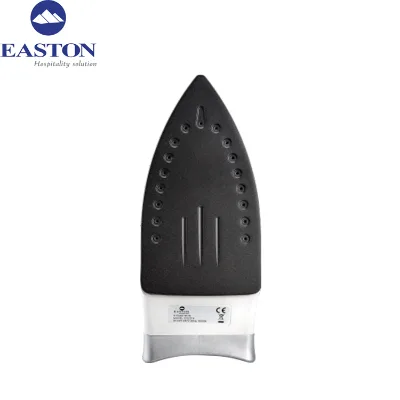
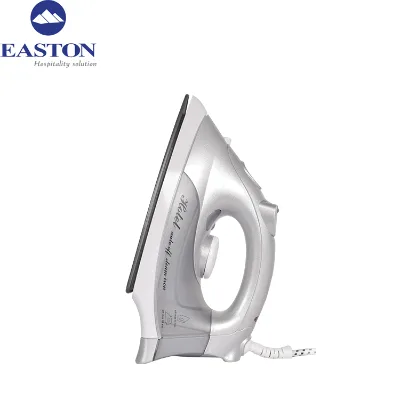
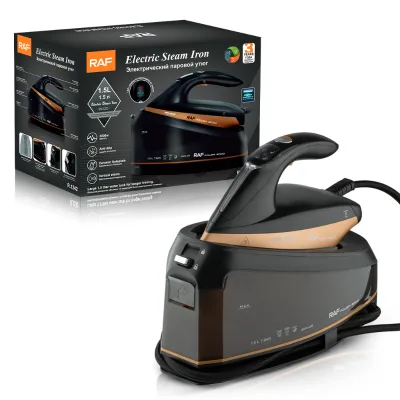


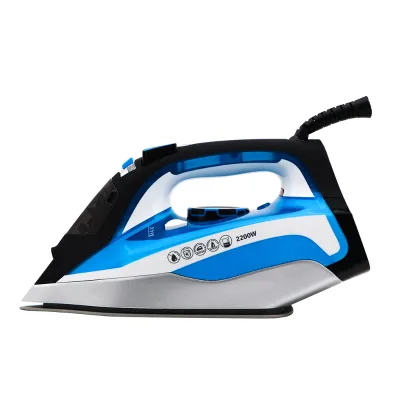



Comprehensive Sourcing Guide
Strategic Sourcing Guide for Steam Travel Electric Irons
Understanding the Technical Landscape of Portable Steam Irons
When sourcing steam travel electric irons, buyers must first distinguish between standard household units and those engineered specifically for mobility and durability in commercial or transient environments. The market offers a diverse array of specifications, but the core functionality remains consistent: the conversion of electrical energy into heat and steam to remove wrinkles from fabrics. In the context of travel and hotel procurement, the technical requirements shift toward compactness, voltage adaptability, and robust soleplate construction.
Current market observations indicate that high-performance travel irons typically operate within a power range of 1000W to 1600W. A unit rated at 1600W provides rapid heat-up times and sustained steam output, essential for high-volume environments like hotels where efficiency is paramount. Conversely, 1000W models are often designed for lighter loads or specific regional voltage constraints. The steam output capability is another critical metric; observed data suggests a continuous steam rate of approximately 200 grams per minute for heavy-duty travel models. This figure ensures that the iron can penetrate thick fabrics without requiring excessive pressure from the user.
The soleplate material is a primary determinant of performance and longevity. Stainless steel is frequently cited as a premium option due to its resistance to corrosion and its ability to glide smoothly over various fabric types without sticking. Some listings also reference ceramic or other composite materials, which offer different friction profiles and heat distribution characteristics. For travel applications, the weight of the unit is a significant factor. Observed gross weights range from 1.1 kg to 2.0 kg, with the lighter variants being preferable for luggage transport, while the heavier units may offer better stability during use.
Power cord length is another specification that requires careful verification. While standard household irons often feature longer cords, travel-specific models may vary. Data indicates cord lengths ranging from 1.5 meters to 2 meters. A 2-meter cord provides sufficient reach for hotel rooms where power outlets may be located far from the ironing board or bed, reducing the need for extension cords. The plug type is equally critical for international procurement. Buyers must verify compatibility with local infrastructure, as observed listings include Euro, UK, AU, and US plug configurations. The voltage rating typically spans 220–240V, which is standard for many regions, but dual-voltage capabilities are often necessary for global travel or multi-region hotel chains.
Compliance and Certification Verification
Navigating the regulatory landscape is a non-negotiable aspect of B2B procurement for electrical appliances. Safety certifications serve as the primary evidence that a product has undergone rigorous testing for electrical safety, fire resistance, and material toxicity. In the context of steam irons, the CE marking is a widely recognized indicator of conformity with health, safety, and environmental protection standards for products sold within the European Economic Area. When evaluating potential suppliers, buyers should explicitly request documentation verifying CE certification for the specific model number, such as the ES2014 series or FX-B200 Series, to ensure the product meets the necessary baseline requirements.
Beyond the CE mark, compliance with local standards in the destination market is essential. For instance, products intended for the UK market must align with UKCA or retained EU standards, while those for the US market require UL or ETL certification. Although specific certification statuses for all listed models cannot be universally asserted without individual verification, the presence of a CE mark in the product attributes suggests a baseline adherence to European safety protocols. Buyers should also verify that the power cord and plug assembly meet the specific safety standards of the target region, as these components are often the first point of failure or non-compliance.
Material safety is another compliance dimension. The soleplate material, whether stainless steel or ceramic, must be free from harmful substances that could leach onto fabrics or release toxic fumes when heated. While specific chemical composition data is not provided in general listings, buyers should request Material Safety Data Sheets (MSDS) or declarations of conformity regarding RoHS (Restriction of Hazardous Substances) compliance. This ensures that the iron does not contain lead, mercury, or other restricted materials. Additionally, the packaging materials, often corrugated boxes, should be evaluated for sustainability and compliance with international shipping regulations, particularly if the destination market has strict waste management or recycling laws.
Cost Drivers and Pricing Dynamics
The pricing of steam travel electric irons is influenced by a complex interplay of factors, including power output, material quality, brand positioning, and order volume. Observed market data indicates a price range spanning from $4.20 to $100.00 USD. This wide disparity reflects the difference between basic, entry-level models and premium units with advanced features, durable construction, or specialized branding. The lower end of the spectrum typically corresponds to models with lower wattage, simpler soleplate materials, and minimal packaging. In contrast, the higher price points often correlate with high-power ratings (1600W), stainless steel or ceramic soleplates, and comprehensive after-sales support packages.
Minimum Order Quantity (MOQ) is a significant driver of unit cost. The observed MOQ range extends from 1 unit to 3000 units. Purchasing at the lower end of this spectrum, such as single items or small batches, often results in a higher per-unit cost due to the fixed overheads of manufacturing and logistics. Conversely, ordering at the higher end, such as 3000 units, allows buyers to leverage economies of scale, potentially reducing the unit price significantly. However, buyers must balance cost savings against inventory holding costs and the risk of obsolescence.
Customization is another factor that can influence pricing. Some suppliers offer customization options for branding, packaging, or specific technical modifications. While this adds value for large retailers or hotel chains seeking a unified brand identity, it typically incurs additional setup fees and may increase the MOQ. The place of origin also plays a role in cost structure. Products originating from manufacturing hubs in Guangdong or Zhejiang, China, benefit from established supply chains and competitive labor costs, which can help keep prices lower. However, buyers should factor in shipping costs, import duties, and potential currency fluctuations when calculating the total landed cost.
Typical Applications and Usage Scenarios
The application of steam travel electric irons extends beyond simple household use, with a significant portion of the market dedicated to the hospitality industry. The "Hotel" application is a dominant use case, where reliability, speed, and durability are critical. In a hotel setting, irons are subjected to continuous daily use by housekeeping staff, necessitating robust construction and efficient steam generation. Models designed for this sector often feature high power ratings (1600W) and durable soleplates to handle a variety of fabric types, from delicate linens to heavy cottons. The "Household" application remains relevant, particularly for travelers who require a compact solution for maintaining professional attire while on the road.
The versatility of these devices is further highlighted by their ability to function in multiple modes. Observed product attributes list functions such as dry ironing, steam ironing, and spray capabilities. This multi-functionality allows users to address different types of wrinkles and fabric sensitivities. For example, the spray function is useful for heavily wrinkled areas that require moisture to relax the fibers before heat application. The "Eco-friendly" style attribute suggests that some models are designed with energy efficiency in mind, potentially featuring automatic shut-off timers or optimized heating elements that reduce energy consumption.
For the hospitality sector, the integration of these irons into the guest experience or housekeeping workflow is vital. The "Portable electric steam iron" designation indicates a design focused on ease of transport and storage. In hotel rooms, space is often at a premium, making compact dimensions (such as a single package size of 35x15x19.5 cm) a desirable feature. Furthermore, the availability of "Free Spare Parts" and "Overseas Call Centers" as after-sales services underscores the importance of maintaining operational continuity in commercial settings. When a unit fails in a hotel, the ability to quickly replace a part or receive technical support minimizes downtime and maintains service quality.
Supplier Evaluation and Selection Criteria
Selecting the right supplier for steam travel electric irons requires a rigorous evaluation process that goes beyond price comparison. Buyers should prioritize suppliers who demonstrate transparency in their manufacturing processes and provide clear documentation of product specifications. The origin of the product, whether from Guangdong or Zhejiang in China, can be an indicator of the supplier's access to specific supply chains and manufacturing expertise. However, the location alone does not guarantee quality; it is the supplier's track record and commitment to standards that matter most.
One of the key criteria for supplier evaluation is the consistency of product attributes. In the observed data, there are variations in specifications for similar product names, such as differences in weight (1.1 kg vs. 2.0 kg) or soleplate material (Stainless Steel vs. Ceramic). This inconsistency suggests that buyers must clearly define their requirements and verify that the supplier can consistently deliver the exact specifications requested. A reliable supplier should be able to provide samples that match the detailed technical sheets and demonstrate the ability to maintain quality across different production batches.
After-sales support is another critical factor in supplier selection. The availability of "Free Spare Parts" and "Overseas Call Centers" indicates a supplier's commitment to long-term customer satisfaction. For B2B buyers, especially those in the hotel industry, the ability to quickly resolve technical issues or replace defective components is essential. Buyers should inquire about the supplier's warranty terms, which in observed cases are typically 1 year, and understand the process for claiming warranty services. Additionally, the "Customization: Available" attribute suggests that some suppliers are flexible in meeting specific branding or functional needs, which can be a significant advantage for large-scale procurement.
Quality Control and Performance Verification
Implementing a robust quality control (QC) strategy is essential to ensure that the steam travel electric irons meet the required performance standards. Given the wide range of observed specifications, buyers should establish clear acceptance criteria before placing orders. This includes verifying the power output, steam generation rate, and cord length against the agreed-upon specifications. For instance, if a contract specifies a 1600W power rating and 200g/min steam output, the QC process must include testing to confirm these figures are met consistently.
Visual inspection is a fundamental part of QC, focusing on the finish, assembly, and packaging. The "Black&Sliver" or "Black" color options should be checked for consistency, and the "Corrugated Box" packaging should be inspected for damage or defects that could affect the product during transit. The condition of the product upon arrival should be "New," and any signs of wear or damage should be documented immediately. Furthermore, the "Single gross weight" should be verified to ensure that the product matches the listed weight, which can be an indicator of missing components or substandard materials.
Performance testing should also be conducted to assess the iron's functionality in real-world scenarios. This includes testing the heat-up time, the effectiveness of the steam and spray functions, and the smoothness of the soleplate glide. For travel irons, the durability of the power cord and plug is crucial, as these components are subject to frequent handling and bending. Buyers should consider third-party testing services to validate the safety and performance claims, particularly regarding electrical safety and material compliance. This independent verification provides an additional layer of assurance and helps mitigate the risk of product failure in the field.
Long-Term Procurement and Lifecycle Management
Sourcing steam travel electric irons is not just a one-time transaction but a long-term relationship that requires careful lifecycle management. The "1 Year" warranty period observed in the market sets a baseline for the expected product lifespan, but buyers should aim for products with a longer operational life to maximize return on investment. This involves selecting suppliers who offer durable materials, such as stainless steel soleplates, and who provide reliable after-sales support. The availability of "Free Spare Parts" is a strong indicator of a supplier's confidence in their product's longevity and their commitment to supporting customers beyond the initial warranty period.
Inventory management is another critical aspect of long-term procurement. With an MOQ range of 1 to 3000 units, buyers must balance the need for stock availability with the cost of holding inventory. For hotel chains or large retailers, maintaining a strategic stock of spare parts and replacement units can prevent service disruptions. Buyers should also consider the obsolescence risk associated with specific model numbers, such as the ES2014 or FX-B200 Series. Establishing a relationship with a supplier who can support future product iterations or provide compatible accessories ensures that the procurement strategy remains flexible and responsive to changing market demands.
Finally, sustainability should be a consideration in long-term planning. The "Eco-friendly" style attribute suggests that some manufacturers are moving towards more sustainable production practices. Buyers can leverage this trend by prioritizing suppliers who use recyclable packaging, energy-efficient manufacturing processes, and materials that are easy to recycle at the end of the product's life. By aligning procurement strategies with sustainability goals, buyers can not only reduce their environmental impact but also enhance their brand reputation in an increasingly eco-conscious market.
FAQs
What certifications does the Easton steam iron have?
The product carries CE certification, indicating compliance with European safety standards. Buyers should verify specific documentation for the ES2014 model to ensure it meets local regulatory requirements before procurement.
How much power does the iron consume during operation?
The iron operates at 1600 watts, providing rapid heat-up times suitable for hotel environments. Some variants listed also show 1000 watts, so confirm the exact wattage required for your specific application needs.
Which soleplate materials are available for this iron?
Available soleplate materials include stainless steel and ceramic options. Stainless steel offers durability and smooth gliding, while ceramic provides different heat distribution characteristics for various fabric types.
Can the iron be customized for specific branding needs?
Customization is available for this product line. Buyers should contact suppliers to discuss branding options, packaging modifications, and any associated minimum order quantities or setup fees for custom requests.
What is the minimum order quantity for purchasing this iron?
The minimum order quantity ranges from 1 unit up to 3000 units depending on the supplier. Specific listings indicate a minimum of 7 sets for certain models, so verify the exact MOQ before placing an order.
How long is the power cord on the iron?
The power cord length is typically 2 meters, providing sufficient reach for hotel rooms. Some models may feature a 1.5-meter cord, so check the specific product specifications for the exact length required.
What after-sales services are provided for this product?
Suppliers offer free spare parts and overseas call center support. A standard 1-year warranty is included, ensuring maintenance and technical assistance are available for commercial or household use cases.